Choosing Between Acreage and In-Town Living in Florence
January 1, 2026
January 1, 2026
Craving big-sky views and elbow room, or do you want the ease of quick trips to groceries and school drop-offs? In Florence, your choice between acreage and in-town living shapes your daily routine, monthly budget, and long-term resale. If you’re weighing the pros and cons, you’re not alone. This guide breaks down commute, utilities, maintenance, permitting, financing, and resale so you can choose with confidence. Let’s dive in.
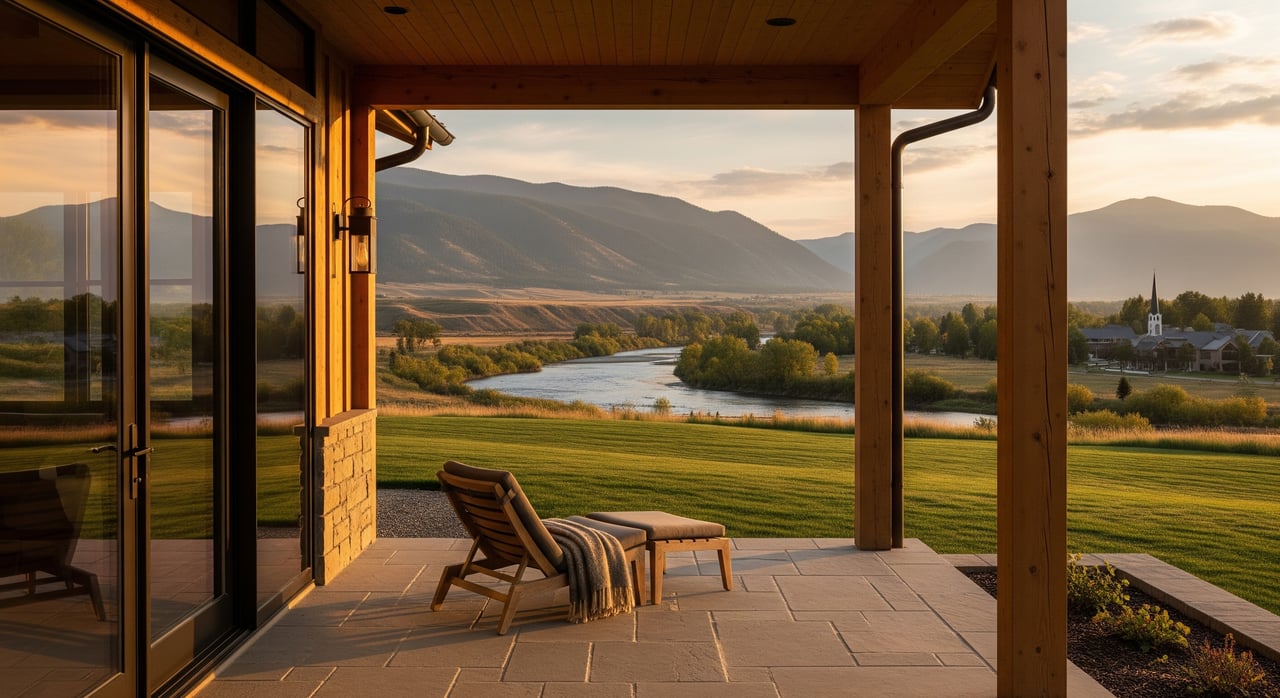
Florence sits in the Bitterroot Valley of western Montana, with quick reach to Missoula to the north and Hamilton and Stevensville to the south. The area blends open fields, river corridors, small towns, and forested hillsides. Buyers often look here for privacy, views, recreation, and proximity to a regional airport and services.
Where you land in the valley matters. In-town properties tend to offer easier access to services. Acreage often provides space and privacy, with tradeoffs like private wells, septic systems, and variable internet. Your lifestyle and tolerance for maintenance should guide the choice.
Most daily travel runs along US‑93 and valley roads. In-town living generally offers shorter drives to schools, groceries, clinics, and everyday services. For many buyers, that convenience is the deciding factor.
Acreage can mean longer trips and seasonal delays. Winter ice and snow, spring runoff, or ditch work may slow access. Private roads and long driveways usually need owner-arranged plowing and grading. A capable vehicle for winter can be helpful.
What to do next:
In-town homes are more likely to connect to municipal or shared community water and sewer. Acreage often relies on a private well and a septic system. Both can work well when properly installed and maintained, but you need records.
For wells, pay attention to depth, yield, and water quality, including seasonal changes. For septic, review system type, drainfield location, soil percolation, and setbacks. Get inspection reports and permit histories.
Electricity in western Montana is commonly served by regional utilities, but rural parcels may need longer line extensions that add cost. Natural gas is less common outside town, so many rural homes use propane, fuel oil, electricity, or wood/wood pellets for heat. Make sure you understand fuel delivery logistics and any woodstove rules.
Internet can be highly variable. In-town areas may see better cable or fiber access. Rural properties often depend on satellite, fixed wireless, or limited DSL. If you work from home or game online, test speeds at the property address before you write an offer.
What to verify:
Acreage ownership comes with hands-on responsibilities. Expect driveway maintenance, snow removal, fencing, weed and brush control, and potential pasture or timber management. Compliance with noxious weed rules is common. If you have a long private driveway, plan for plowing and spring grading.
In-town properties usually mean lighter exterior work: lawn and landscaping, gutters, and sidewalk or curb responsibilities depending on location. Your time and budget tolerance matter here.
Taxes and insurance vary by location and classification. Montana’s overall property tax rates are lower than many states, but mill levies differ by district. Rural homes can face higher insurance premiums due to wildfire risk, distance to hydrants, and fire response times. Always obtain quotes that reflect the property’s exact location and risk profile.
Budget items to consider:
Ravalli County Planning regulates zoning, parcel sizes, and subdivision. Rural acreage may involve minimum lot sizes and riparian setbacks near the Bitterroot River or tributaries. In-town and subdivision lots may include covenants or HOA rules. Always review plats, setbacks, and CC&Rs before you finalize a purchase.
Water rights matter. In Montana, water rights can be separate from the land. Confirm whether irrigation or domestic rights transfer with the property, and verify details with state and county resources. Riparian rules near streams or wetlands may require special permits for development.
Environmental risks deserve a close look. The Bitterroot Valley carries elevated wildfire risk. Properties near rivers or creeks may fall in FEMA flood zones, which can affect insurance and lending. Plan for fuel reduction around structures and check floodplain maps and elevation certificates when applicable.
What to check:
In-town homes tend to attract a broader buyer pool, including first-time buyers and downsizers. That often supports faster resale and simpler appraisals because comparable sales are easier to find.
Acreage appeals to a more specialized segment seeking privacy, animals, or recreational space. Proximity to US‑93 and to Missoula can strengthen marketability. Very remote parcels may take longer to sell and can present appraisal challenges if recent comparable sales are limited.
Lenders commonly require well and septic inspections for rural properties. USDA Rural Development loans may be an option in eligible areas and can help with low or no down payment for qualifying buyers and properties. Raw land or construction scenarios often require different loan products and larger down payments.
What to confirm:
Use this list to stay on track before you close:
Use these questions to clarify fit:
If you still feel torn, list your top three daily non‑negotiables. Match those to one or two specific neighborhoods or acreage areas, then compare two real properties side by side using the checklist above. That real‑world contrast usually reveals the best choice.
You do not have to navigate wells, septic, permits, and seasonal access alone. With deep Bitterroot Valley experience and a network of local specialists, you can move forward with clarity and calm. If you’d like a custom short list of Florence properties that fit your lifestyle and budget, reach out to Stacie Roberts for a free consultation.
Stay up to date on the latest real estate trends.
Whether you're searching for a luxury home, ranch, riverfront property, or preparing to sell your home, land, ranch, or investment property, Stacie Roberts delivers personalized guidance, expert negotiation, and concierge-level service from start to finish. If you're ready to make your next move in Western Montana, contact Stacie today to begin the conversation.