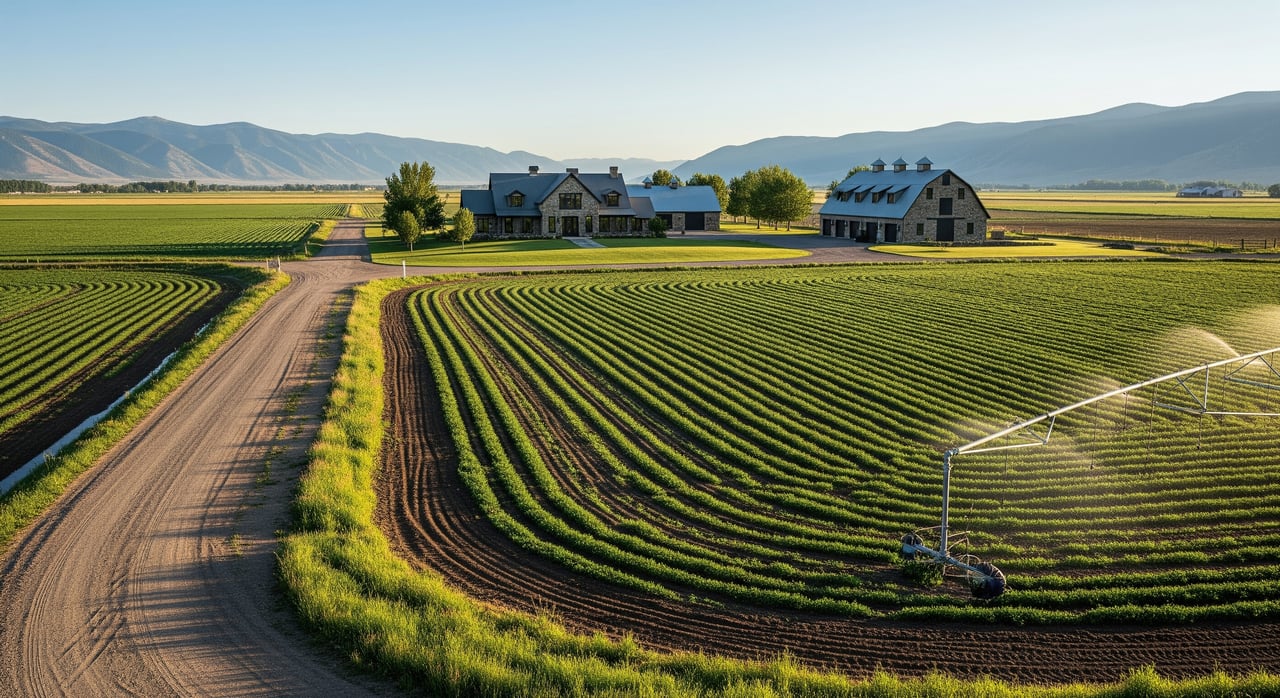
Irrigated Land Investment in Florence MT with BRID
November 6, 2025
November 6, 2025
Thinking about buying irrigated acreage in Florence but not sure how to vet the water or the numbers? You are not alone. In the Bitterroot Valley, water is the difference between a pretty pasture and a productive asset, and the details matter. In this guide, you will learn how irrigation adds value, why the local irrigation entity often called BRID factors into underwriting, and the practical steps to protect your investment. Let’s dive in.
Irrigated ground in western Montana supports hay, pasture, and small specialty crops, which can generate steady lease income. In a semi‑arid climate, surface water helps you manage through dry years, which many buyers and lenders view as a resiliency factor. That stability can set irrigated acreage apart from dryland parcels.
You also position yourself for potential appreciation. Parcels with reliable water rights and working delivery infrastructure often trade at a premium relative to comparable dry acres. In the Bitterroot Valley, proximity to Missoula and Hamilton, amenity demand, and ag uses like hay and grazing all support the market for irrigated properties.
Diversification is another draw. Owning irrigated acreage can add a seasonal agricultural component to your portfolio while also supporting recreational or lifestyle goals.
In Montana, water rights are a property right that is separate from the land. Rights are recorded with the Montana Department of Natural Resources & Conservation (DNRC) and the Montana Water Court. Before you buy, you should verify the right’s attributes because they influence value and risk.
Key items to confirm:
These details guide both your operating plan and your underwriting.
Local irrigated parcels are often served by an organized irrigation entity that manages diversion, delivery, and allocation. Around Florence, many people refer to the primary organization as BRID. For due diligence, you should confirm the exact legal name, governing documents, and rules of the specific district or ditch company that delivers water to your parcel.
Annual assessments from the district should be modeled as a recurring operating expense when you calculate net operating income. District budgets can also include special assessments or capital calls, so it is wise to review recent meeting minutes and current budgets to understand potential variability.
In dry years, deliveries may be prorated according to allocation rules and water right priority. This can reduce the number of acres you can reliably irrigate. Underwriting should distinguish between deeded irrigated acreage and the acres you can serve in an average or dry year under the district’s delivery duty.
Unpaid assessments can become liens. In some districts, those liens may have statutory priority over other liens, which matters to lenders. Confirm lien procedures and any debt obligations of the district that could lead to special levies.
A disciplined approach helps you avoid surprises and price risk accurately.
This is a hypothetical example for illustration only.
If you model income on 35 reliable acres rather than 40 deeded acres, your gross rent estimate becomes more conservative. After subtracting base assessments and a reserve for special assessments, you arrive at a net figure that is more resilient in a dry year. The key is to anchor your model to reliable irrigable acres and to include district costs as ongoing expenses.
Irrigated land in Ravalli County is often used for hay (timothy or alfalfa), pasture for cattle or horses, and small specialty crops or hobby farming. Lease structures vary. You may see single cutting leases, multi‑year grazing agreements, cash per acre, crop share, or a percentage of yield. Local norms differ on who pays district assessments, ditch maintenance, and pumping costs. That allocation affects the net rent you receive.
Since rates and terms are local, talk with nearby landowners, extension agents, and ag lenders to understand current practices before you commit to a lease.
Use this list to organize documents and on‑site review.
Property and water documents
Physical and agronomic inspection
Financial and legal checks
Local contacts
If you are competing for a quality irrigated parcel near Florence, a clear due diligence plan can strengthen your position. Outline the records you will review, propose reasonable timelines, and show that you understand district assessments and allocation rules. When you present a realistic operating budget and a stress‑tested income model, you are more likely to avoid retrades and close smoothly.
Irrigated acreage in Florence can generate dependable lease income, support a lifestyle vision, and appreciate when water is reliable and infrastructure is sound. The value hinges on the water right, district rules, and the condition of delivery systems. If you want help assembling documents, coordinating site inspections, or pressure‑testing the numbers, our local network can make the process smoother.
Ready to explore irrigated opportunities in the Bitterroot Valley? Schedule a free consultation with Montana Dream Homes to talk through options, timing, and a due diligence plan that fits your goals.
Stay up to date on the latest real estate trends.








Whether you're searching for a luxury home, ranch, riverfront property, or preparing to sell your home, land, ranch, or investment property, Stacie Roberts delivers personalized guidance, expert negotiation, and concierge-level service from start to finish. If you're ready to make your next move in Western Montana, contact Stacie today to begin the conversation.