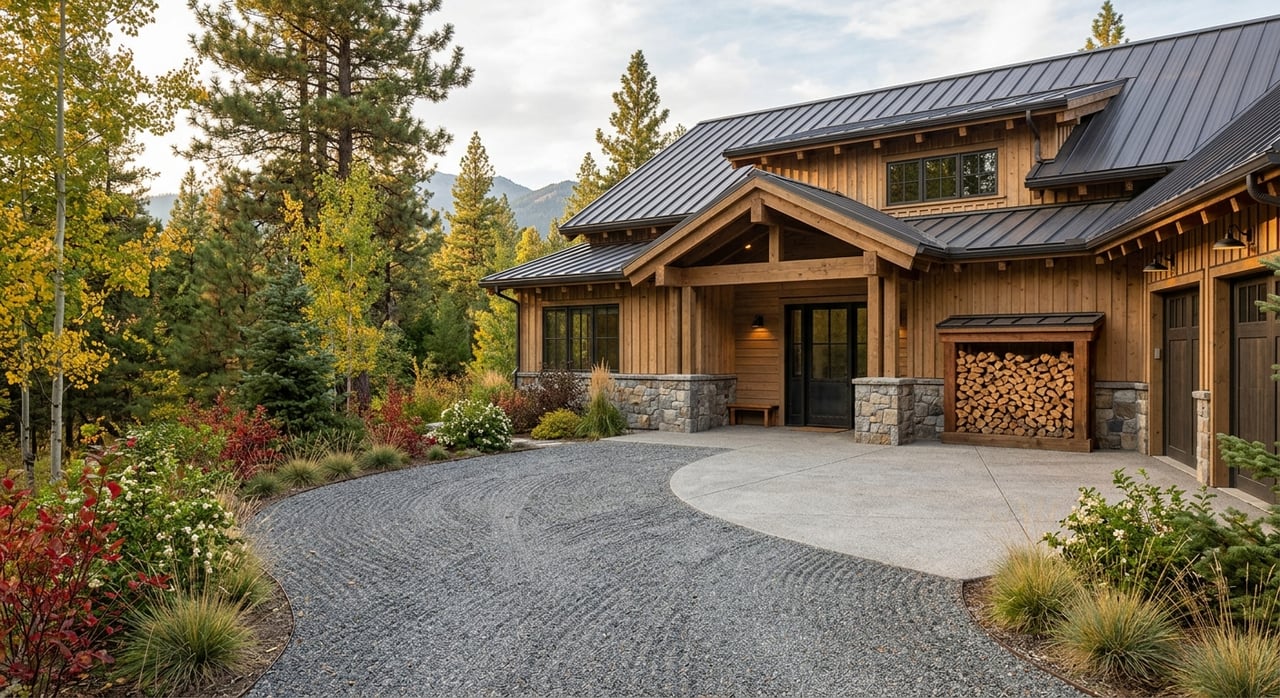
Victor MT Rural Home Buying: What to Check First
May 14, 2026
May 14, 2026
Thinking about trading city convenience for open space near Victor? A rural home in the Bitterroot Valley can offer privacy, mountain views, and easy access to the outdoors, but it also comes with practical details you need to check before you buy. If you want to avoid surprises with access, utilities, septic, or future plans for the property, this guide will help you focus on the right questions early. Let’s dive in.
Victor is a small community in the Bitterroot Valley, with nearby towns including Stevensville, Corvallis, and Hamilton. Visit Montana lists Victor’s population at 948 and notes that Hamilton serves as a central trade area for many small farms, ranches, and orchards in the region. In everyday life, that often means you should expect a more car-dependent routine for errands, services, and shopping.
That tradeoff is part of the appeal for many buyers. Visit Montana describes the area as nestled between two mountain ranges, with nearby access to 1.6 million acres of National Forest and miles of fishing on the Bitterroot River. If you are drawn to space, privacy, and outdoor recreation, the Victor area offers a lifestyle that feels very different from a typical in-town neighborhood.
Road access is one of the most important parts of rural due diligence. Ravalli County says it maintains about 550 of its 1,450 public roadway miles and specifically advises buyers to investigate road conditions and maintenance for any property. That means you should not assume a road is county maintained just because it appears established.
A simple question can save you a lot of frustration later: Who maintains the road to the property? If the answer is not clear, you will want to verify it before closing. Maintenance responsibility can affect your year-round access, travel time, and even how easily service providers can reach the home.
Winter access deserves its own review. Ravalli County’s winter roadway plan says priority routes are serviced first, while residential and minor local access roads are addressed after major routes are cleared. The county also says it cannot assure completely bare pavement and notes that tire chains may be advisable in some situations.
For buyers near Victor, that means your drive in January may look very different from your drive in July. A home with a long gravel drive or location off a minor road may still be a great fit, but you should go in with realistic expectations about snow removal and travel conditions.
Montana Department of Transportation resources can help you understand broader road conditions. MDT says some mountain roads are seasonally closed, and once closed, they receive no winter maintenance and travel is prohibited. MDT’s 511 system provides road conditions, closures, and chain requirements.
Still, county-level verification matters most for rural property. MDT also notes that its system does not include all county roads or city streets, so it should be treated as a supplement, not your only access check. If access is a major factor for your household, it is worth confirming the maintained road network with Ravalli County directly.
If you are thinking ahead to improvements, access planning matters too. Ravalli County requires approach permits for field, residential, and commercial access points. It also requires encroachment permits for excavation in county easements or right-of-way.
That can become important if you plan to widen a driveway, add a new access point, or improve turnaround space for plows, trailers, or deliveries. On rural parcels, these details can affect both convenience and cost.
For many rural buyers, septic and water questions come up right away, and for good reason. Ravalli County Environmental Health issues wastewater permits, conducts site evaluations, and administers the public drinking water program. If you are buying a rural property near Victor, this is a key office for parcel-specific questions.
A home can look move-in ready while still having issues below the surface. That is why septic records, permit history, and site conditions should be part of your due diligence from the start.
Ravalli County requires wastewater permits for new, replacement, or altered septic systems. Its homebuyer materials state that systems installed or modified after 1982 should have a permit on file. The county also notes that septic sizing is tied to bedroom count, so a mismatch between the home’s bedroom count and the permit can be a meaningful issue.
That matters if you are buying an older home that has been remodeled over time. If a property is marketed with more bedrooms than the septic system was approved for, you may face limits or added costs later. Ravalli County’s buyer guide also recommends getting a Certificate of Compliance before buying or selling.
Not every parcel can support the same type of septic system or future expansion. County materials explain that septic type, size, and location depend on factors like soil type, lot size, setbacks to open water, and high groundwater. In some cases, if groundwater is a concern, additional monitoring may be required.
Floodplain review can also affect permit issuance. If the property relies on a private well, county review may involve water-sample testing for non-degradation analysis on some parcels without DEQ approval. In short, a parcel may look simple on the surface but still need formal review before it can support the use you have in mind.
Utility service in rural areas is rarely one-size-fits-all. NorthWestern Energy says it serves electric and natural gas customers across western and central Montana, and it is commonly associated with service in this region. Even so, you should confirm the specific service status for the parcel you want to buy.
It is also smart to verify the home’s heating fuel rather than assume every rural property is set up the same way. Two homes in the same area may have very different utility arrangements, operating costs, and backup needs.
If you are buying acreage, lot maintenance may involve more than mowing. Ravalli County says open burning requires permits, with county administration from March 1 through November 30 and DEQ permits outside that period. The county also notes that burning can be restricted during periods of high fire danger.
This is worth knowing if you expect to manage slash, wood debris, or natural material on the property. For some buyers, that is just part of rural ownership. For others, it is a surprise that changes how they think about seasonal maintenance.
A rural property may meet your needs today, but what about two or five years from now? If you hope to add a barn, shop, detached garage, or other structure, it is wise to check local planning and zoning information before you close. Early research can help you avoid buying a property that limits your future plans.
Ravalli County Planning handles land use planning, subdivision review, and floodplain management. The county also points property owners to floodplain regulations, FEMA DFIRM maps, and county GIS mapping layers as useful starting points when reviewing a parcel.
Ravalli County notes that zoning districts can be citizen initiated by local landowners and enforced by the county. In practice, that means zoning is not uniform across the county, and you should not assume the rules are the same from one parcel to the next.
If future flexibility matters to you, verify the zoning for the exact property. That is especially important if you are considering acreage and want room for additional structures or changes over time.
Floodplain considerations are not just about building a new home. They can also affect where future structures go and whether certain permits are needed. Before buying, it helps to understand whether the property is in or near an area that could trigger added review.
For buyers near the Bitterroot River or low-lying areas, this step can be especially important. Even if you are not planning immediate construction, it is smart to know what could affect long-term use.
Before buying a rural home near Victor, try to answer these questions clearly:
These are not small details. On rural property, they are often the difference between a smooth ownership experience and an expensive surprise.
Buying near Victor is often about lifestyle as much as square footage. You may be looking for elbow room, mountain views, a place for animals, or simpler access to fishing, trails, and public land. Those goals are exciting, but rural properties also require careful review of records, permits, road access, and land-use details.
That is where local experience becomes valuable. When you work with someone who understands Ravalli County, you can ask better questions, spot red flags sooner, and make decisions with more confidence.
If you are considering a rural home near Victor, Stacie Roberts can help you evaluate the property beyond the listing photos and focus on the details that matter most for your lifestyle and long-term plans.
Stay up to date on the latest real estate trends.
Whether you're searching for a luxury home, ranch, riverfront property, or preparing to sell your home, land, ranch, or investment property, Stacie Roberts delivers personalized guidance, expert negotiation, and concierge-level service from start to finish. If you're ready to make your next move in Western Montana, contact Stacie today to begin the conversation.