Choosing Between Historic And Newer Homes In Hamilton
June 11, 2026
June 11, 2026
Trying to choose between a historic home and a newer build in Hamilton? You are not alone. In a market where both charm and practicality matter, the right fit often comes down to how you want to live, what projects you are ready to take on, and how much day-to-day upkeep feels comfortable for you. This guide will help you weigh the tradeoffs with local context so you can move forward with more clarity. Let’s dive in.
Hamilton is not a place where every home feels interchangeable. The city’s roots go back to 1890, and that history still shows up in its streets, neighborhoods, and housing stock. With an estimated 5,451 residents in 2025, 2,748 households, and a 55.7% owner-occupancy rate, Hamilton offers a mix of established in-town homes and newer properties that appeal for different reasons.
Cost also plays a real role in the decision. The median owner-occupied home value in Hamilton is $310,000, and median monthly owner costs are $1,400 with a mortgage and $613 without one. That means your choice is not just about purchase price. It is also about utility costs, updates, maintenance, and how predictable you want those expenses to be over time.
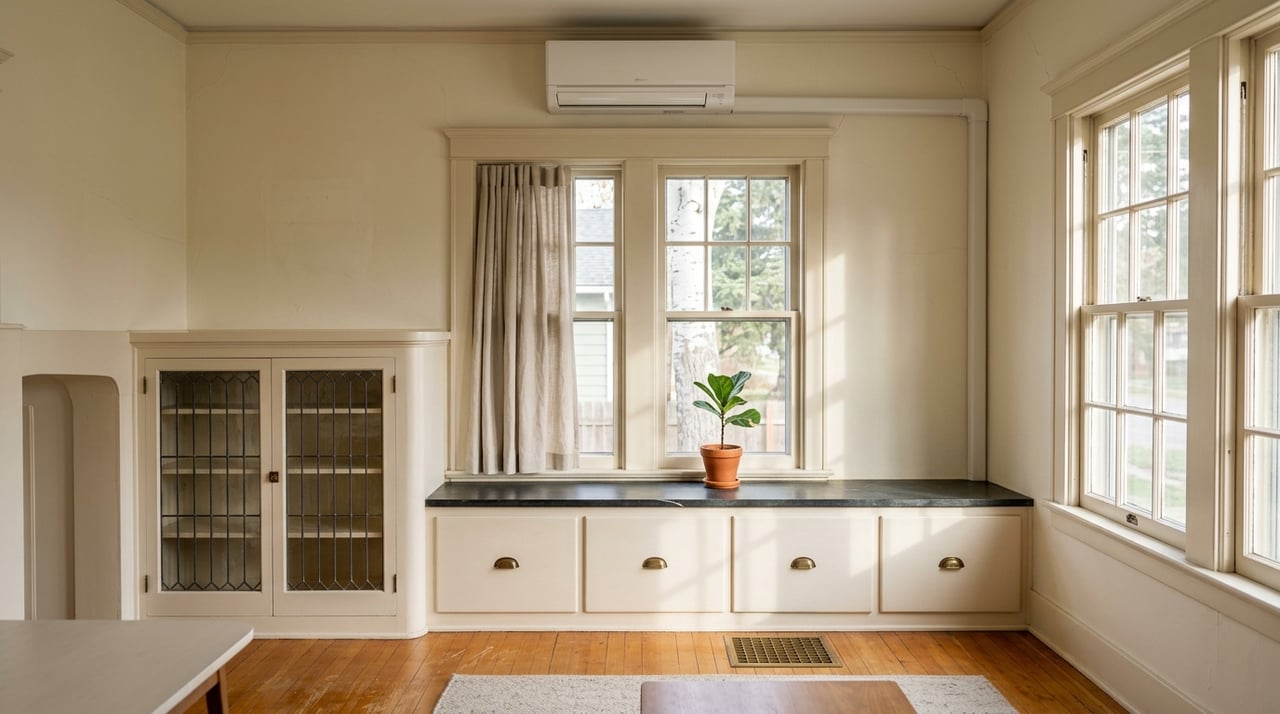
Historic homes in Hamilton often stand out because they feel connected to the town’s original character. National Register districts like the Hamilton Commercial Historic District and the Hamilton Southside Residential Historic District reflect that long history. The Southside district includes 149 contributing buildings and is known for mature trees and an older neighborhood pattern south of Main Street.
For many buyers, that setting is a big part of the appeal. Older homes can offer preserved details, established lots, and a stronger sense of place than newer construction sometimes does. If you want a home that feels rooted in Hamilton’s story, a historic property may be the one that catches your attention.
Historic homes tend to attract buyers who value character over sameness. You may notice original trim, older facades, deeper lots, or streetscapes that feel more established and layered over time. In Hamilton, that often pairs with mature landscaping and a more traditional neighborhood feel.
There is also an emotional side to the decision. Some buyers simply want a home that feels distinctive from the moment they walk in. If lifestyle and setting matter as much as square footage and finishes, an older home may offer the kind of experience you cannot easily recreate.
Older homes can come with responsibilities that newer homes may not. One of the most important is lead-based paint risk. According to the EPA, homes built before 1978 are more likely to contain lead-based paint, and renovation or repair work that disturbs painted surfaces can create hazardous lead dust.
That does not mean you should avoid an older home. It does mean you should plan carefully if updates are on your wish list. If you are considering a pre-1978 property, ask questions early and budget for inspections and lead-safe contractor work before taking on major renovations.
If a home is in or near a recognized historic district, buyers and sellers often have questions about restrictions. National Register listing is mainly a recognition of historic significance. The National Park Service states that listing itself does not place federal restrictions on what a private owner may do with the property, though state or local rules can still apply.
For sellers, that distinction matters because historic status can be part of the home’s story without automatically limiting private ownership choices at the federal level. For buyers, it is a reminder to verify any local requirements that may affect future changes. Clear expectations upfront can help you make a confident decision.
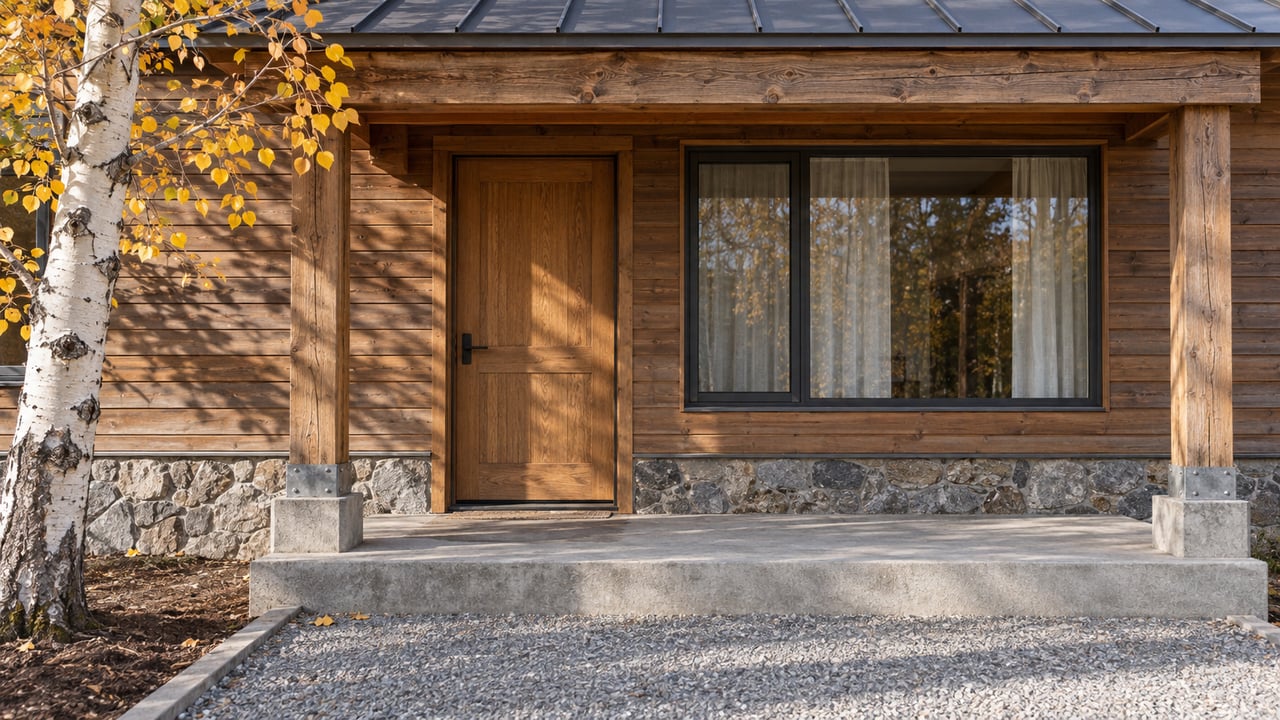
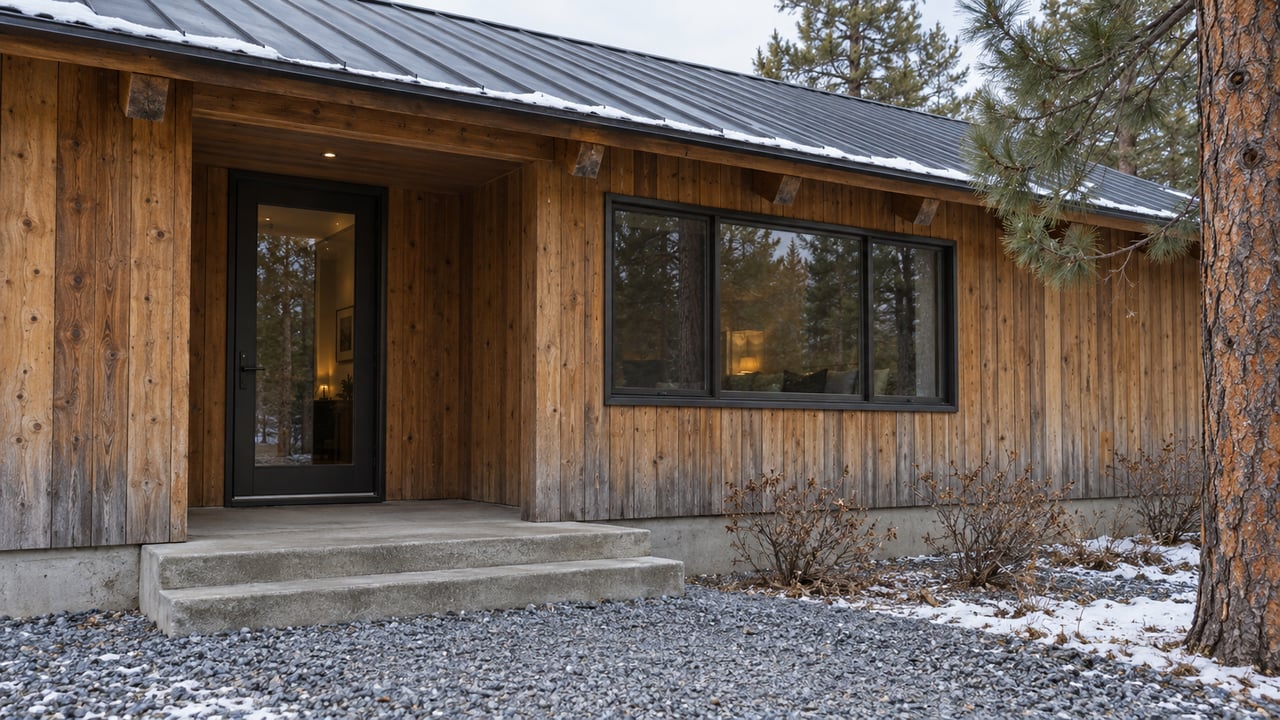
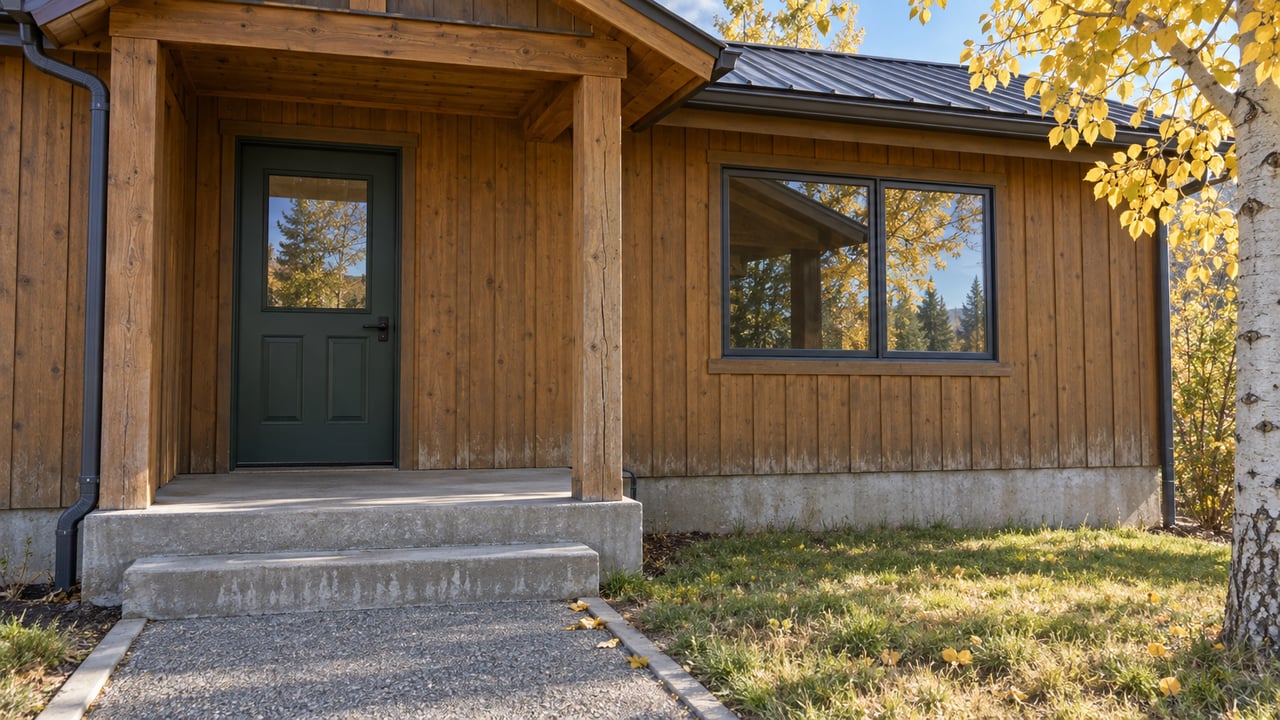
Newer homes appeal to buyers who want fewer immediate projects and more predictable performance. In Montana, all new home construction follows a statewide energy code, and the current code baseline took effect on June 10, 2022. That matters because many features that improve comfort and efficiency are easier to build into a new home than to retrofit later.
Montana DEQ points to high-performance windows, high-efficiency heating systems, extra insulation, and proper air sealing as features that are much easier to include during construction. DEQ also notes that heating is the biggest utility expense for most Montana families. In a place with real winter weather, that can be a major factor in your monthly budget.
If you want a home with fewer near-term upgrades, newer construction can feel simpler. The systems are generally more current, and the home is built to a newer code standard than older houses typically have. That may translate into more predictable comfort and less pressure to tackle major retrofit work right away.
This option can be especially appealing if you are relocating, buying from out of town, or trying to avoid the uncertainty that can come with older homes. For many buyers, convenience is not a luxury. It is a practical part of choosing the right property.
In the Hamilton area, newer homes are not always in the same kind of setting as historic properties. A local example is Heritage Estates in Ravalli County, proposed less than one mile from Hamilton’s municipal boundary. It planned 18 single-family lots served by individual wells and septic systems, along with irrigation shares.
That example helps show a common tradeoff. A newer home near Hamilton may offer a larger lot, newer systems, and a more rural feel, but it may also mean less walkability and more owner involvement with private infrastructure. If you are comparing homes, ask whether the property is on city utilities or uses a private well and septic system.
The right home is often the one that fits your daily routine, not just your wish list. Historic homes in Hamilton often shine through character, setting, and connection to the town’s historic core. Newer homes tend to stand out for efficiency, convenience, and reduced near-term update pressure.
A simple way to think about it is this: older homes often ask for more attention but give back more personality. Newer homes often ask for fewer immediate projects and offer more consistency in how they perform. Neither option is better across the board. The better choice is the one that lines up with your priorities.
Whether you are leaning historic or newer, a few local checks can help you avoid surprises.
These questions matter because home age is only part of the picture. Systems, utility setup, and maintenance expectations all shape how ownership feels after closing.
Some issues have nothing to do with whether a home is old or new. Radon is one of them. Montana DEQ notes that radon can be found in every state, and Ravalli County offers discounted radon test kits in Hamilton.
DEQ also recommends testing even new homes within the first year. That is an important reminder for buyers who assume newer construction removes every environmental concern. No matter which style of home you prefer, testing the specific property is the smart move.
If you are selling, your home’s age should shape how you position it. Older homes often stand out through architectural details, district setting, mature trees, and their connection to Hamilton’s established neighborhoods. Those are the qualities that help buyers picture a lifestyle, not just a floor plan.
Newer homes usually benefit from a different message. Efficiency, simpler systems, lower near-term maintenance expectations, and practical comfort are often the strongest selling points. In both cases, the goal is to highlight what your property does best and speak to the buyer who will value it most.
If you are still torn, start with your real tolerance for projects and unknowns. A historic home may be worth it if you love original character, established streets, and the feeling of living in a place with history. A newer home may be the better fit if you want efficiency, simpler systems, and a more predictable ownership experience.
It also helps to think beyond the house itself. In Hamilton, location, lot size, utilities, and connection to town can matter just as much as age. When you look at homes through the lens of lifestyle, budget, and maintenance, the decision often becomes much clearer.
Choosing between a historic home and a newer one in Hamilton is really about choosing how you want to live. If you want help comparing options, understanding local housing patterns, or preparing your home for the market, Stacie Roberts is here to guide you with local insight and a thoughtful, high-touch approach.
Stay up to date on the latest real estate trends.
Whether you're searching for a luxury home, ranch, riverfront property, or preparing to sell your home, land, ranch, or investment property, Stacie Roberts delivers personalized guidance, expert negotiation, and concierge-level service from start to finish. If you're ready to make your next move in Western Montana, contact Stacie today to begin the conversation.