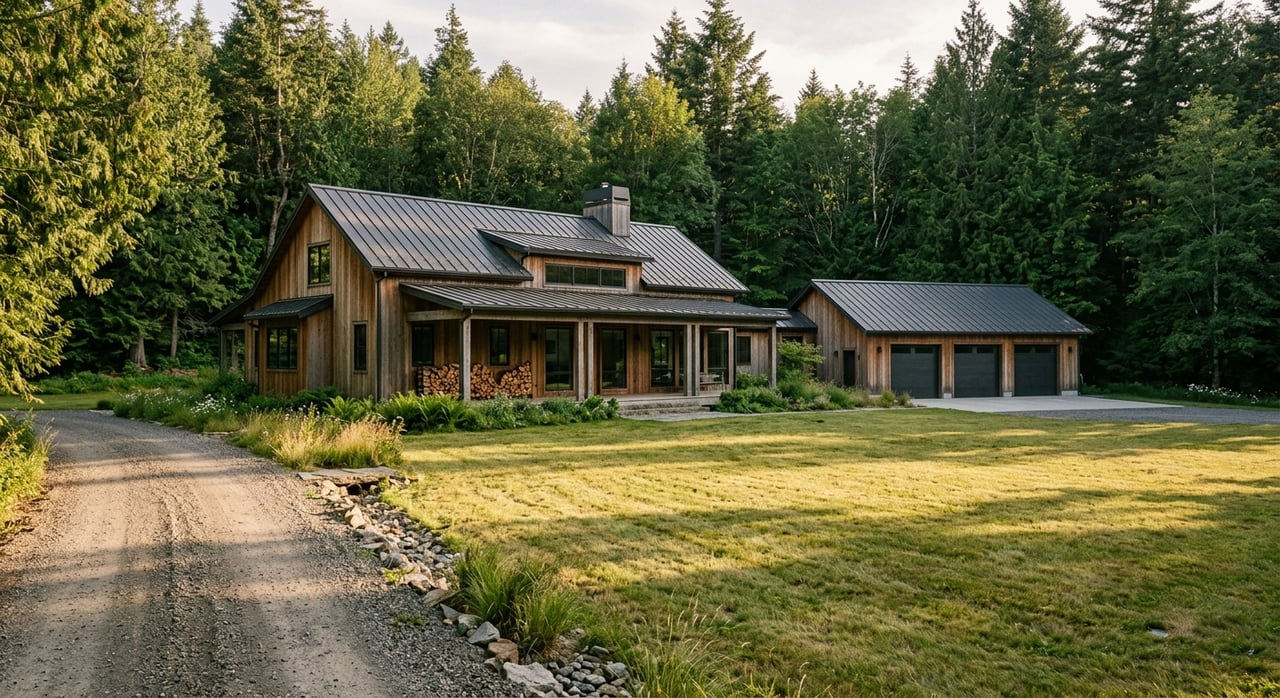
How to Sell Florence MT Acreage With Smart Pricing
June 25, 2026
June 25, 2026
Looking at your Florence acreage and wondering why one buyer sees a dream property while another sees a long list of questions? That is the reality of selling land and rural homes in this part of Ravalli County. When comps are thin and every parcel has its own mix of access, water, terrain, and use potential, pricing and positioning need more than a quick online estimate. This guide will help you understand what really drives value in Florence acreage listings and how to present your property in a way that builds confidence with both local and out-of-area buyers. Let’s dive in.
Florence is a small unincorporated community in Ravalli County, with 821 residents and just 0.8 square miles of land area. That small footprint matters because acreage pricing often relies on a limited set of truly comparable sales rather than a large neighborhood sample.
That is also why broad market headlines can be helpful for context but not enough for pricing a specific parcel. In spring 2026, public trackers reported different countywide numbers, including a Ravalli County median sale price of about $582,145 from Zillow, $625,000 from Redfin, and a median listing price near $795,000 from Realtor.com. Florence-specific April 2026 data from Realtor.com showed 73 homes for sale, a median listing price of $895,000, a median sold price of $691,250, and 56 median days on market.
Those figures tell you the market is active, but they do not tell you what your acreage is worth on its own. The best pricing strategy starts with current parcel-level comps and then adjusts for the details that buyers care about most.
Access is one of the first things acreage buyers want to understand. Ravalli County notes that buyers should investigate road conditions and maintenance, and the county requires approach permits for field, residential, and commercial access.
In real terms, that means price can change based on whether access is legal, documented, and practical year-round. A parcel with clear access and known winter maintenance often feels less risky to buyers than one with unanswered road questions.
For rural property, utilities are not just background details. Ravalli County requires septic permits for on-site wastewater systems, and if there is no DEQ subdivision approval, the county requires a site evaluation. If a proposed system is within 300 feet of a delineated floodplain, a floodplain determination is required before permit issuance.
Private wells also deserve close attention. Montana DEQ says private wells are not regulated for water quality and recommends annual testing for coliform bacteria and nitrates. If a parcel is near regulated water or has had flooding concerns, buyers will want to know that early.
Tax classification can directly affect ownership costs and buyer demand. In Montana, agricultural land classification depends on ownership, size, and use, with automatic qualification generally applying to parcels of 160 acres or more. Parcels under 160 acres must meet production and income tests, while non-qualified agricultural land is defined as 20-plus-acre parcels that do not meet those standards and is taxed at seven times the agricultural land tax rate.
That makes classification more than a technical detail. If a buyer expects one tax treatment and later learns the parcel is classified differently, pricing confidence can fade fast.
Two Florence acreage properties with similar size can have very different value. Ravalli County’s subdivision guide tells owners to check zoning, covenants, deed restrictions, and title reports for minimum lot size, density, and future subdivision limits.
Subdivision review can also involve costs tied to survey work, roads, water and wastewater, fire protection, drainage, parks, and weed control. If your property has clear development or split potential, that can support value. If it does not, the listing should be honest and precise about what the land allows.
Wildfire risk is part of the value conversation in rural Montana. Ravalli County approved its Community Wildfire Protection Plan in 2024 and administers burn permits from March 1 through November 30, with restrictions during periods of high fire danger.
For buyers, defensible space, fuel load, and emergency access are practical concerns. When sellers can show thoughtful land management, that often helps the property feel more usable and easier to own.
The first step is to compare your property to recently sold acreage with similar land characteristics, not just similar bedroom counts or countywide averages. In Florence, that usually means looking closely at acreage size, topography, access, utility status, improvements, and legal use potential.
A broad portal estimate may miss the very things that matter most. Usable land, build sites, water setup, and road quality can move value more than a general county median ever will.
Acreage buyers think in terms of how land works day to day. They want to know how much of the property is buildable, whether there is legal access, what systems are already in place, and what restrictions apply.
That means pricing should reflect function. Ten acres with clear access, a documented well, septic history, and a usable homesite may justify a stronger price than a larger parcel with unresolved questions.
The more complete your documentation, the easier it is for buyers to feel comfortable with your asking price. A well-prepared listing packet can reduce uncertainty and shorten the time buyers spend trying to verify the basics.
When important records are missing, buyers often build that risk into their offers. Strong preparation supports stronger pricing.
A Florence acreage listing is usually stronger when you gather the key property records in advance. Based on the local issues that affect value, sellers should try to assemble:
This kind of preparation matters because local rules on roads, septic, floodplain review, and land classification can all affect price, use, and marketability.
Good acreage marketing should feel inviting, but it should also answer practical questions. Buyers respond best when the listing explains where the build site is, how much land is usable, what access looks like, and what systems are already in place.
That is especially true for remote and relocating buyers. If they cannot quickly understand how the property functions, it becomes harder for them to justify the price from a distance.
Lifestyle marketing works best when it is tied to real places and daily use. In the Florence area, that can include proximity to the 44-mile Bitterroot Trail, the 2,800-acre Lee Metcalf National Wildlife Refuge, and the 1.6-million-acre Bitterroot National Forest.
Those local anchors help buyers picture how they might live on the land. Instead of presenting acreage as just a number of acres, you show how the property connects to recreation, open space, and the broader Bitterroot Valley lifestyle.
Many acreage buyers will ask the same core questions early in the process. These often include:
If your listing answers these clearly, buyers spend less time guessing and more time seeing the property’s value.
County numbers can set context, but they should not set your list price on their own. Florence acreage varies too much from parcel to parcel for a single average to tell the whole story.
Views matter, but buyers still need the facts. A beautiful presentation without clear information on access, water, septic, floodplain status, and land use can create interest without creating confidence.
If there are open questions about the property, it is better to address them early and accurately. Acreage buyers are usually prepared for complexity, but they want transparency so they can evaluate the opportunity with clear eyes.
Selling acreage in Florence is rarely about plugging numbers into a formula. It is about understanding how your parcel fits the local market, what a buyer can actually do with the land, and how clearly that story is told.
When pricing is grounded in real parcel comps and positioning is backed by strong documentation, your listing stands a better chance of attracting serious buyers. That is where local experience can make a real difference, especially in a market where every acre tells a slightly different story.
If you are thinking about selling acreage in Florence, Stacie Roberts can help you evaluate the land, prepare the right listing materials, and create a strategy that speaks to both local and relocating buyers.
Stay up to date on the latest real estate trends.
Whether you're searching for a luxury home, ranch, riverfront property, or preparing to sell your home, land, ranch, or investment property, Stacie Roberts delivers personalized guidance, expert negotiation, and concierge-level service from start to finish. If you're ready to make your next move in Western Montana, contact Stacie today to begin the conversation.