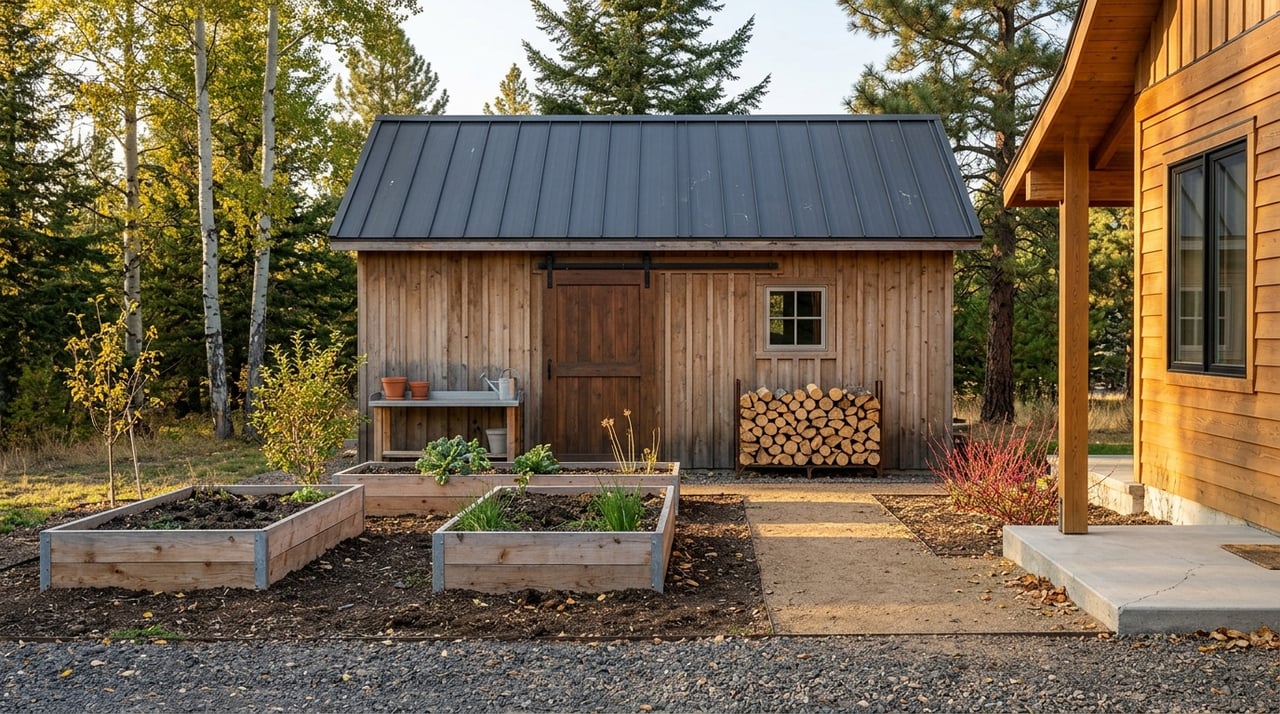
Planning A Small Homestead In Florence, MT
June 18, 2026
June 18, 2026
Dreaming about a few chickens, a productive garden, or a small orchard in Florence? You are not alone. In this part of Ravalli County, the idea of a small homestead fits the local landscape, but the right property is about far more than acreage alone. If you want a place that supports your goals from day one, it helps to understand how land use, growing conditions, septic capacity, and county rules all come together. Let’s dive in.
Florence sits in Ravalli County, where agriculture and horticulture still play a meaningful role in daily land use. MSU Extension describes Ravalli County as Montana’s production valley, with 241,233 acres of agricultural land, and notes that smaller farms here can produce desirable income from a small footprint of land.
That matters if you are looking for a property that supports a lifestyle rooted in gardening, small livestock, fruit trees, or a more self-sufficient setup. Florence is not just a place where homesteading sounds appealing. It is a place where the local setting already supports that way of thinking.
Before you focus on lot size, start with what you actually want to do on the land. A small homestead can mean very different things from one buyer to the next, so your property search should match your real plan, not just a broad idea.
You might want:
In Florence, the better question is usually not, “Is this enough land?” It is, “Does this land have the right combination of sun, water, usable ground, and compliant infrastructure for what I want to do?”
A property can look great online and still fall short for homestead use. What matters most is how the land functions in real life.
Usable garden space should have good sun exposure and a practical layout. In Ravalli County, MSU Extension notes that growing success still depends on planning around average first and last frost dates, so timing matters even with the valley’s longer growing season.
That means a good garden area is not just open ground. You will want space that can handle vegetables, berries, composting, and season-extension tools in a way that is efficient and easy to maintain.
For many buyers, water access is one of the most important pieces of the puzzle. A sunny lot with poor irrigation options may not support your plans the way you expect.
When you walk a property, think beyond appearance. Consider where garden beds would go, how water would reach them, and whether the layout supports the amount of planting you have in mind.
A small homestead works best when the land is easy to move through and manage. You may want room for wheelbarrows, small equipment, feed delivery, compost movement, and seasonal maintenance without turning every task into a workaround.
Even on a modest parcel, a practical layout can make a big difference. Flat or gently usable areas often matter more than total acreage if your goal is day-to-day function.
If your dream includes apples, cherries, peaches, or other fruit, Florence and the broader Bitterroot Valley offer encouraging context. MSU Extension notes the valley’s long fruit-growing history, including the first commercial apple orchard planted here in 1870, and says sweet cherries and peaches still grow successfully in some microclimates.
The key word is microclimates. Orchard ideas can be realistic here, but success depends heavily on the exact site.
If fruit trees are on your wish list, pay close attention to drainage, exposure, and cold-air movement. Frost pockets can limit performance, even when the broader area seems ideal.
A property with the right slope, airflow, and protection may support orchard crops much better than another parcel only a short distance away. In other words, the dream is possible, but the site has to match it.
Ravalli County’s 4-H and fair programming regularly includes swine, sheep, goats, cows, poultry, rabbits, dogs, and horses. That mix reflects a local familiarity with small-scale animal projects, not just large ranch operations.
For buyers, that is useful context. It suggests that modest livestock setups are a familiar part of the county landscape, though any specific parcel still needs its own zoning and covenant review.
If animals are part of your plan, focus on how the property works. Look for fenced use areas, room for feed storage, practical manure handling, and enough space to move equipment safely.
It is also smart to think ahead. A property may technically have room for animals, but the daily routine may feel difficult if access, storage, or cleanup areas are poorly placed.
One of the biggest mistakes buyers make is assuming the listing description tells the full story. In Florence, parcel-specific zoning and recorded covenants can matter just as much as the land itself.
Ravalli County Planning handles land use planning, subdivision review, and floodplain management. The county also identifies Florence Area among recorded citizen-initiated zoning districts, and adopted CIZDs are enforceable by the county.
If you hope to add a shed, shop, guest space, garden structures, or animal areas later, confirm what the parcel allows before you make assumptions. A beautiful property is only a fit if it supports both your current goals and your future plans.
This is one of the most important parts of small homestead planning. A parcel that looks flexible may have restrictions that change what is practical.
In Ravalli County, septic is not a side issue. It is a major part of the due diligence process for rural and semi-rural properties.
County guidance says a septic permit must be issued before any construction, and the homebuyer guide notes that every septic system installed or modified after 1982 should have a permit on file. It also says septic sizing is based on bedroom count.
Before you move forward on a property, ask for:
The county recommends getting a Certificate of Compliance before buying or selling. That can give you a clearer picture of where things stand.
For new wastewater systems, county guidance says DEQ approval can establish the well location plus primary and replacement drainfield locations. That means soil, setbacks, and lot size can affect not only construction plans, but also where gardens, outbuildings, and other uses may reasonably fit.
In practical terms, a parcel may have enough total land but still feel more limited once wastewater infrastructure is accounted for. That is why septic should be part of your planning from the start.
Homestead planning in Florence also means paying attention to the local environmental realities that affect how you use and maintain the property.
Ravalli County Planning oversees floodplain management, so floodplain status is worth confirming early in the process. A parcel’s floodplain designation can influence where and how future improvements happen.
Ravalli County currently administers burn permits from March 1 through November 30. The county requires activation before each burn day and notes that open burning may be restricted during periods of high fire danger.
If you expect to manage brush, yard waste, or seasonal cleanup through burning, this is an important part of your maintenance planning. It is not just about whether burning is allowed. It is about understanding when and how it can happen.
DNRC says the Home Ignition Zone around a home is typically up to 200 feet and offers free Home Wildfire Risk Assessments. For small homestead buyers, that reinforces the value of thinking about defensible space and regular upkeep from the beginning.
A productive property still needs to be manageable and wildfire-aware. Room for maintenance and safe vegetation management should be part of the conversation, especially if you are considering a more wooded setting.
If you are serious about a Florence small homestead, your due diligence should go beyond the usual bedroom and square-footage questions. A few targeted questions can save you time and help you avoid mismatches.
Ask about:
These questions help turn a general lifestyle idea into a property-specific decision.
A small homestead in Florence can be a very realistic goal, especially in a part of Ravalli County where agriculture, horticulture, and smaller-scale animal projects already shape the local landscape. But the best fit usually comes down to the details: sunlight, workable garden layout, septic capacity, zoning, floodplain status, and room for wildfire-safe maintenance.
If you want a property that truly supports the way you want to live, it helps to look past the marketing language and evaluate how the land will function day to day. That is where local experience makes a real difference. If you are thinking about buying a homestead-friendly property in Florence or elsewhere in the Bitterroot Valley, Stacie Roberts can help you evaluate the land, the constraints, and the lifestyle fit with clarity and confidence.
Stay up to date on the latest real estate trends.
Whether you're searching for a luxury home, ranch, riverfront property, or preparing to sell your home, land, ranch, or investment property, Stacie Roberts delivers personalized guidance, expert negotiation, and concierge-level service from start to finish. If you're ready to make your next move in Western Montana, contact Stacie today to begin the conversation.